Download the app
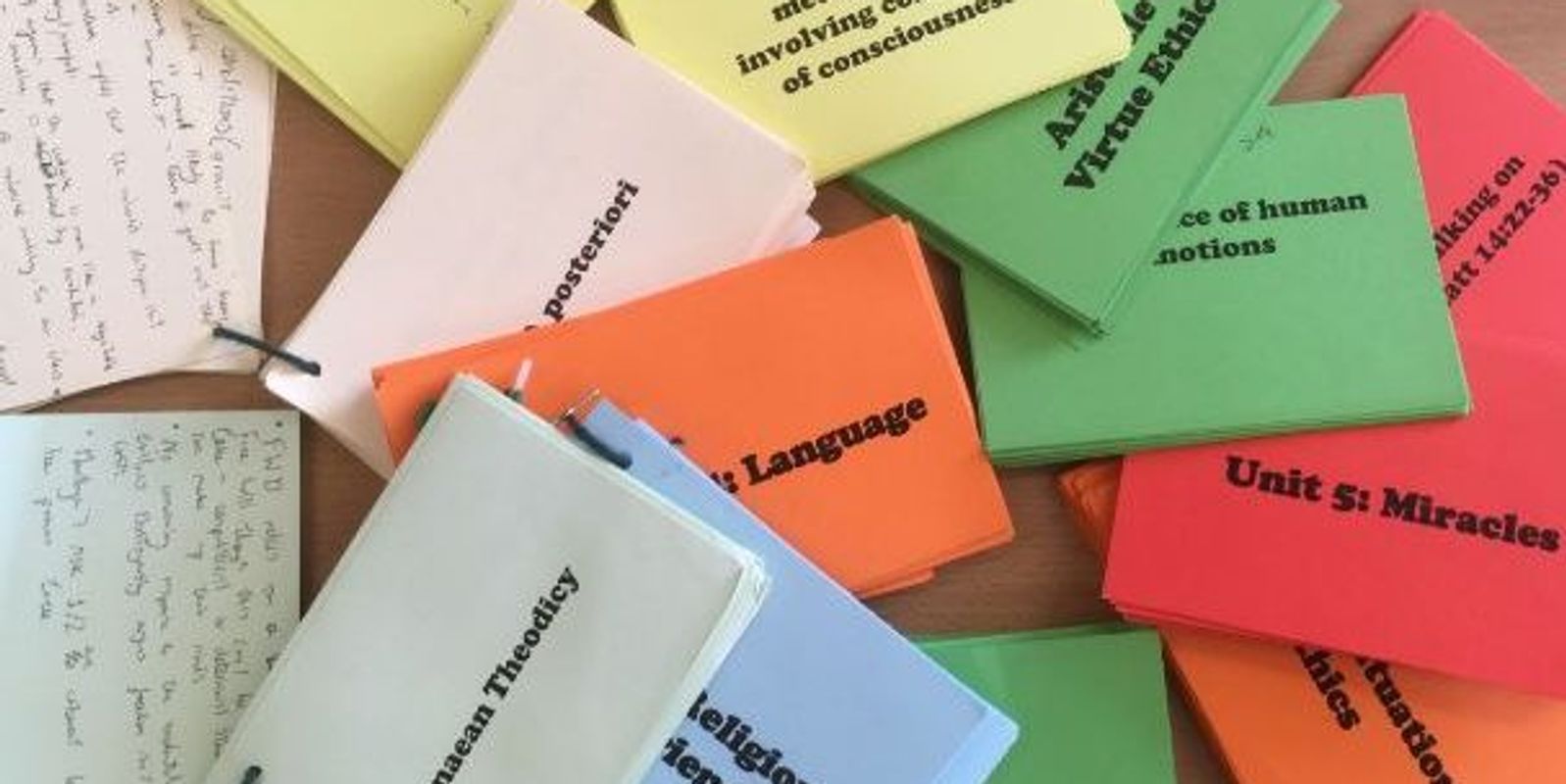
Discover how to use flash cards effectively to study smarter, boost memory, and retain key information with simple, proven techniques.
Flash cards have long been a favorite study tool among students for their simplicity and effectiveness. The cards are easy to make, fun to use, and promote active recall, a process that boosts memory retention and makes studying faster and more efficient. The best part? You can use flash cards to research virtually any subject or topic. In this blog, we’ll explore the ins and outs of using flashcards, including how to use them (there’s a method to the madness) and what makes them such an effective study tool.
We’ll also introduce you to an AI study tool, Studly AI’s best AI flashcard generator, which uses artificial intelligence to help you create high-quality, customized flash cards to boost your study sessions.
What are Flash Cards?
Flashcards are simple yet powerful learning tools designed to aid memorization and knowledge retention. Traditionally, these consist of small cards with a question, term, or prompt on one side, and the corresponding answer or explanation on the other. They work by encouraging active recall, helping learners test themselves and improve long-term memory.
With technological advances, digital flashcards have emerged as a modern evolution of this classic method. Unlike paper cards, digital flashcards are electronic and accessible via computers, tablets, or smartphones, offering greater flexibility. This allows users to create, edit, and organize their study material efficiently. Digital versions can also incorporate multimedia elements, such as images, audio, and video, catering to diverse learning preferences. This interactive format enhances engagement and helps maintain focus.
Digital flashcards are convenient for learning on the go and are environmentally friendly, as they eliminate the need for paper. Many apps include features such as progress tracking and algorithm-driven study schedules that optimize review sessions to enhance learning outcomes.
Transforming Your Study Materials into Flash Cards With Studley
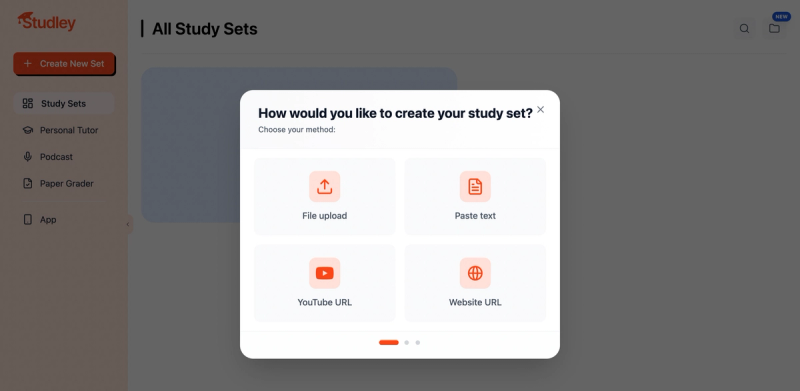
Today, digital platforms like Studley AI have taken the best elements of traditional index cards and supercharged them with artificial intelligence. Studley AI enables users to transform documents, videos, or notes into interactive study tools, such as digital flashcards and quizzes, providing the same organization and memory-boosting benefits of handwritten cards, but with the added power of personalized feedback and rapid content creation. This blend of classic technique and modern technology is helping a new generation of learners study smarter and more efficiently.
Stop cramming. Start learning smarter, faster, and more effectively. Studley AI isn’t just another study app; it’s your all-in-one AI-powered learning companion. Whether you’re prepping for exams, struggling with dense readings, or just trying to stay ahead, Studley takes the stress out of studying. Upload your class notes, YouTube videos, textbooks, or articles, and get instant, editable flashcards, quizzes, tutor-style lessons, written tests, fill-in-the-blank activities, and even personalized audio lessons.
No setup. No wasted time. Just tools that help you learn faster—and retain more. Forget overpriced tutors or endless scrolling through confusing resources. Studley AI utilizes proven learning science—such as Active Recall, Bloom’s Taxonomy, and the Feynman Technique—to transform any content into a personalized study experience that aligns with the way your brain works.
You can try everything for free, no credit card required. But if you’re serious about school, upgrading gets you unlimited quizzes, lessons, paper feedback, audio learning, and more. Wherever you are—at your desk, on the bus, or in bed—Studley AI makes it ridiculously easy to learn. Stop Cramming. Study Smarter with our AI study tool for Free Today!
Related Reading
- 7 Secret Methods for Studying
- What is Memory Retention
- Flashcards Example
- How to Memorize Something Fast
- What is Spaced Repetition Learning
How to Use Flash Cards Effectively
1. Focus on One Idea per Card
Each flash card should cover only a single concept, question, or fact. Breaking down complex topics into multiple cards helps you avoid overwhelming your memory and grasp each component more fully. On the front, write a clear key term or a question. The back should contain a concise, straightforward answer or definition. This focused approach keeps study sessions organized and improves long-term retention.
Keeping cards simple reduces cognitive load, making it easier to review and remember information efficiently. By isolating ideas, you promote clearer understanding and quicker recall during tests or practical application.
2. Use Visuals and Color Coding
Incorporate simple images or drawings on your flash cards to activate visual memory, which significantly aids recall. For instance, associate a map sketch with a geography term or a timeline for historical dates. Visual cues create stronger mental connections and make studying more engaging.
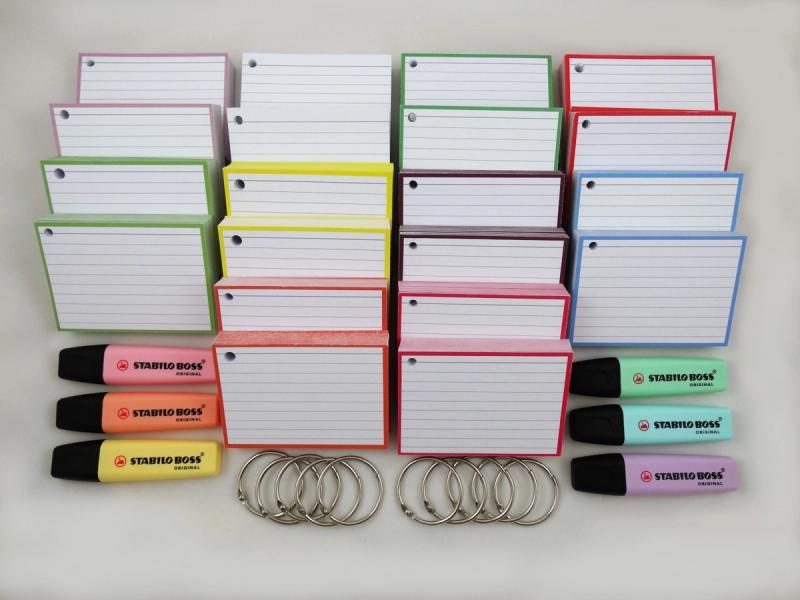
Additionally, use different colors to categorize subjects or themes. This color coding helps your brain to form associations that make retrieving information easier and faster during exams.
3. Engage in Active Recall by Testing Yourself
Rather than passively reading the cards, actively test your knowledge by attempting to recall the answer before flipping the card. Say your answers aloud to reinforce memory retention and ensure you truly know the material instead of merely recognizing it. Quizzing yourself out loud holds you accountable and incorporates multiple senses into the learning process, making it more effective.
You can also involve a study partner or family member to quiz you, which diversifies your learning and helps maintain your motivation.
4. Apply the Leitner or Spaced Repetition System
Organize your flash cards into groups based on how well you know each card, commonly labeled as “I have no clue,” “Not too sure,” and “I really know this.” Review the less familiar cards more frequently while spacing out the repetitions of well-known cards. This method, known as spaced repetition, leverages scientifically proven principles for long-term memory retention by reviewing information at optimal intervals.
The Leitner system’s structured approach helps identify weak spots and efficiently directs study time where it’s most needed.
5. Keep Cards Brief and Clear
Avoid long-winded explanations. Use succinct questions and answers that capture the essence of the information. This makes cards easy to review quickly and prevents overwhelming details from cluttering your study.
Enhance your memory by including useful references, such as page numbers, diagrams, or mnemonic devices like acronyms and rhymes. These aids help bridge concepts and serve as mental shortcuts to recall related material more quickly.
6. Balance Physical and Digital Flash Cards
Physical flash cards provide tactile engagement and can be carried easily for quick reviews on the go, which is beneficial for kinesthetic learners. Writing by hand can also enhance cognitive processing.
Digital flashcards, accessible via platforms like Studley AI, offer added conveniences, including easy editing, multimedia integration (images and audio), and automated spaced repetition features. Both formats have strengths, so combining them can maximize your study flexibility.
7. Combine Flash Cards with Other Study Techniques
While flash cards are highly effective, they should be part of a varied study strategy. Complement them with practice tests, mind maps, summarizing notes, or teaching concepts to others to deepen understanding and maintain interest.
Diverse methods engage different cognitive pathways, promoting a deeper understanding of the material and better preparation for exams. Flash cards excel at memorization, but pairing them with broader approaches ensures conceptual comprehension and application skills.
Related Reading
- How to Memorize Flashcards
- How to Study Smarter Not Harder
- How to Stay Focused While Studying
- Benefits of Flashcards
- Active Recall Studying
- Virtual Index Cards
- How to Make Index Cards
- How to Memorize a Presentation
Stop Cramming. Study Smarter with Studley for Free Today!
Studley AI works fast. After you upload your materials, Studley instantly creates editable flashcards, organized quizzes, and study guides. You can immediately start studying or customize the learning tools to fit your preferences.
For example, if you want to create a set of flash cards from your class notes, you can select the exact content to include, change terms to make them easier for you to understand, and even switch out the definitions for your own notes.
Wherever you are—at your desk, on the bus, or in bed—Studley AI makes it ridiculously easy to learn. Stop Cramming. Study Smarter with our AI study tool for Free Today!
Related Reading
Get started
Ready to learn smarter with AI?
Join StudleyAI today and experience the future of engaging education.